Adding Colour to your Palette.

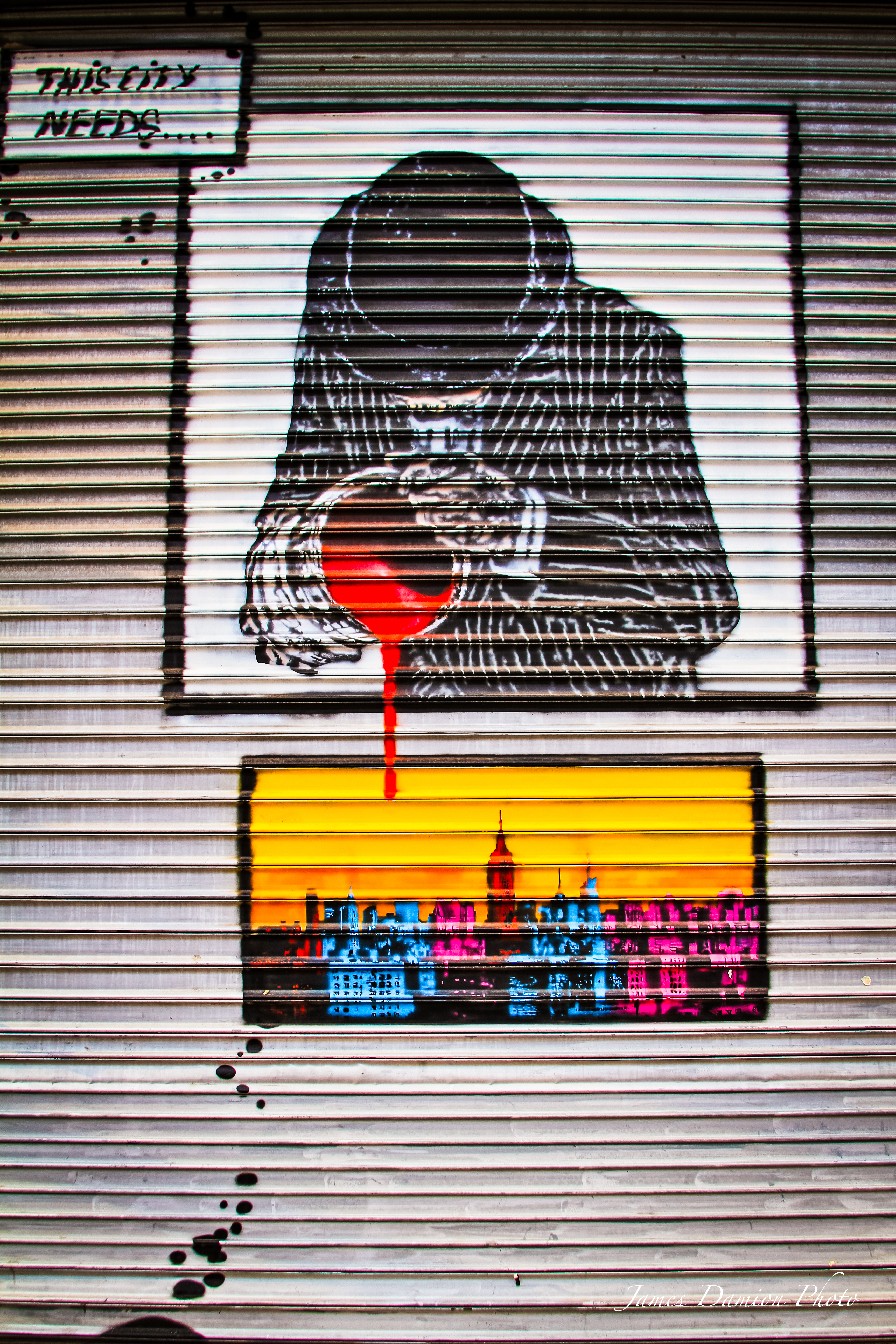
Often, while working with models and clients, the question most often asked was, “Do you ever shoot in color?” Not wanting to waste the moment and secure the job. Or miss the opportunity to work with an attractive subject. I’d gather the best words available to my vocabulary.Thinking back, The art of Black & White taught me to compose while allowing me to tell a story of the subject through depth and shadow. The more I photographed my subjects without what I considered distracting. The better my results and feedback. Despite my preference. I realize there’s are always time to add color without distractions. Growing up photographing New York’s lengendery graffiti scene and the beautiful sunrises and sunsets around the world demand color and suffer with applying such. Why choose when there are so many options.Yes, I prefer shooting in black & white. But shooting on a digital, or in my case, mirrorless. One can switch up at any time.

With a Little Help from my Friend.

Last week I shared several pictures taken while exploring a Baltimore beach. My wife took a liking to the picture on the left. Adding “I really like this one, but I think it would look better without the automobile.” With little to no experience in many Lightroom techniques. I handed it over to a good friend who can best be disguised as a “pro’s pro.” Personally, I’d consider my long time friend to be a magician of sorts. As he has blown my mind with his skills many times before. I posted a before and after just below. I’d love to get your feedback. Feel free to comment below. Thanks.

In Case You’re Wondering

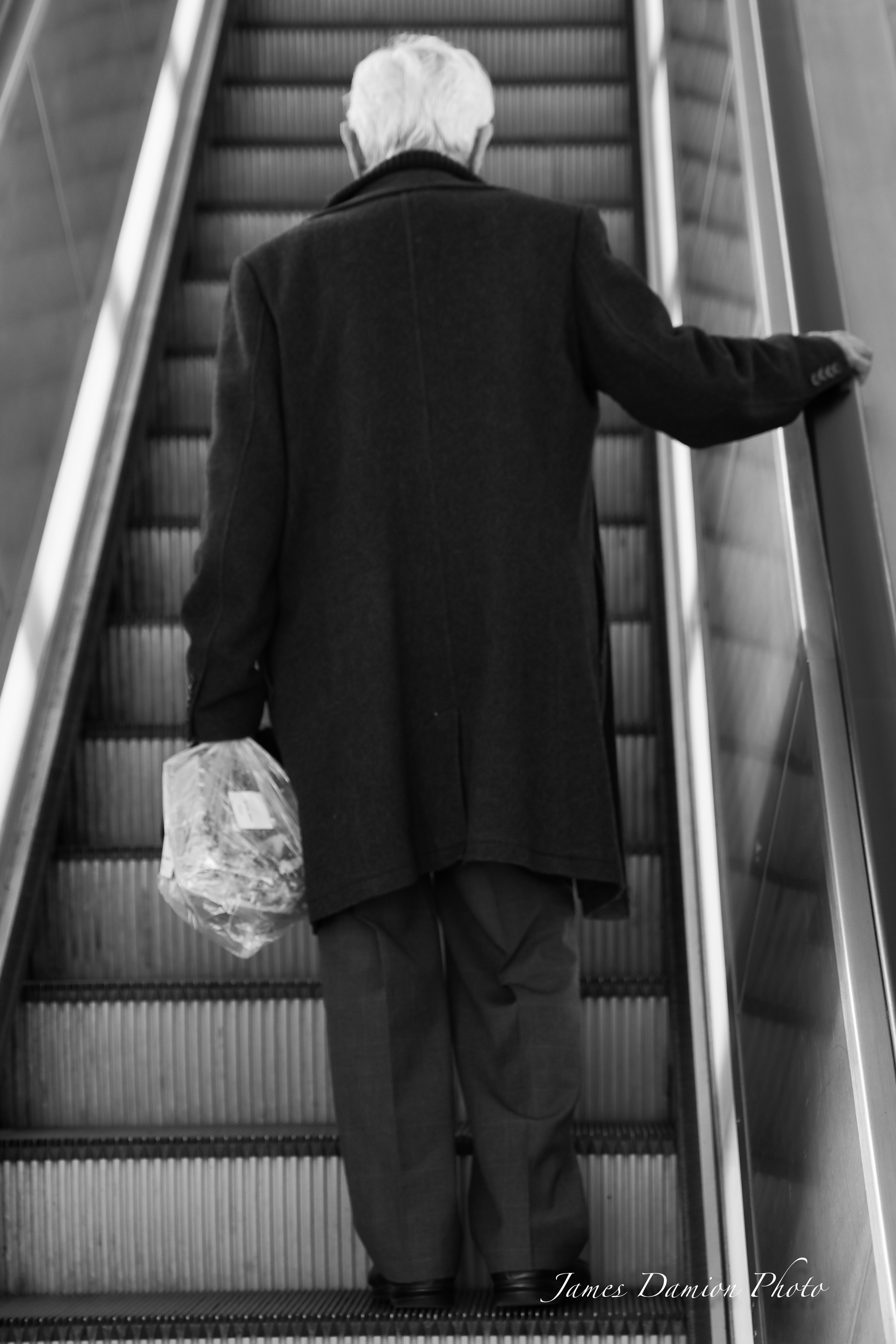
I took this while going for an extended walk today. While most of my street photography often lacks that human element. I find the ones that do, add an extra element of storytelling. Filling a void and adding personality to the image. I’ve noticed that the majority of my photos outside of studio work are shot of people walking away. That element can be due to future sales of prints. Personally, I find that aspect adds more to the story. Allowing the observer to better ecersize their imagination. .That, or I’m not up for being punched in the head, or being angrily questioned as to why I just took their picture.

With a Little Help from my Friends.

I’ll admit it, I know nothing, nor have I ever spent much time working to up my photoshop game. If you’re a photoshop fixer-upper, I applaud you. Leave your contact information and rates in the comment section. Sooner or later, I’ll be contacting you. I never had the time, patience, or skill s to master the art of retouching. Instead, I try to get it right the first time and make any needed adjustments in Lightroom later.

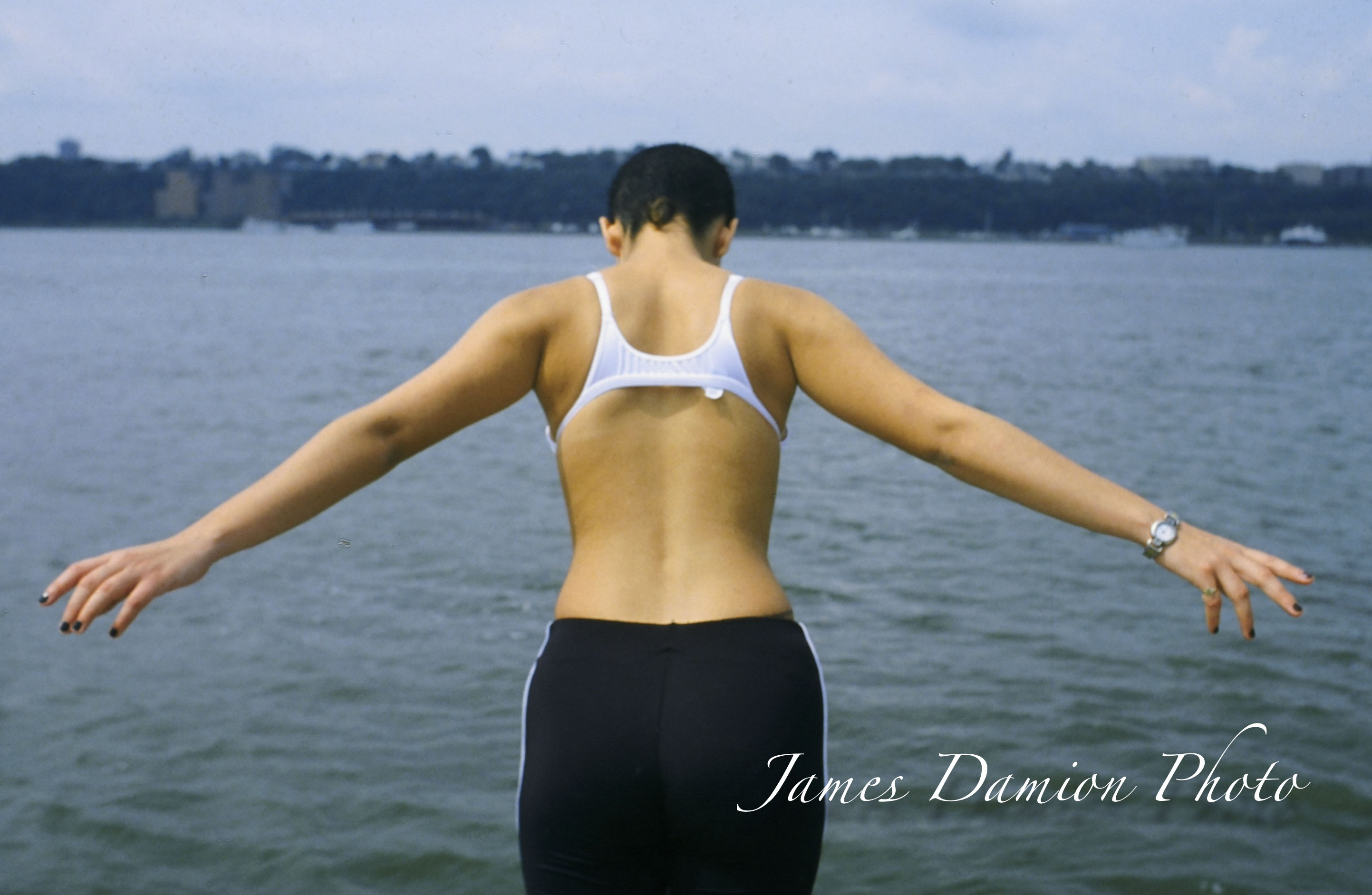
While unearthing images from my earlier days, I surprisingly still find pictures I love. The image below is a long time favorite. Shot in NYC on Pier 84 just blocks from my apartment on W48th st. Over the years, the tag on Charo’s bra became more and more of an eyesore. So much so that I put in a call for a photoshop minded editor on one of my social media pages. Luckily, a long time friend, one who’s friendship predates this ’97 photo. Stepped in and remedied a twenty-plus year issue in a matter of minutes. In the end, I wanted to thank that friend while sharing the before and after. If I ever find myself in a bind with a photograph or anything in general, I won’t hesitate to reach out.

Before
After

Filter Find

I was going through a container of random photo accessories I had acquired over the last twenty of so years. There were useful, easily identifiable items such as batteries and SD cards to remnants of my film camera days and a few “WTF is that?” items. Within the container was a group of 72mm Tiffen filters I don’t recall purchasing or even using. Being that they fit my Canon 28-135 lens, I decided to try out my unused Polarizors. Below are the results of my findings.

Polarizer Filter
UV Filter
Circular Polarizer

Exploring AV Mode

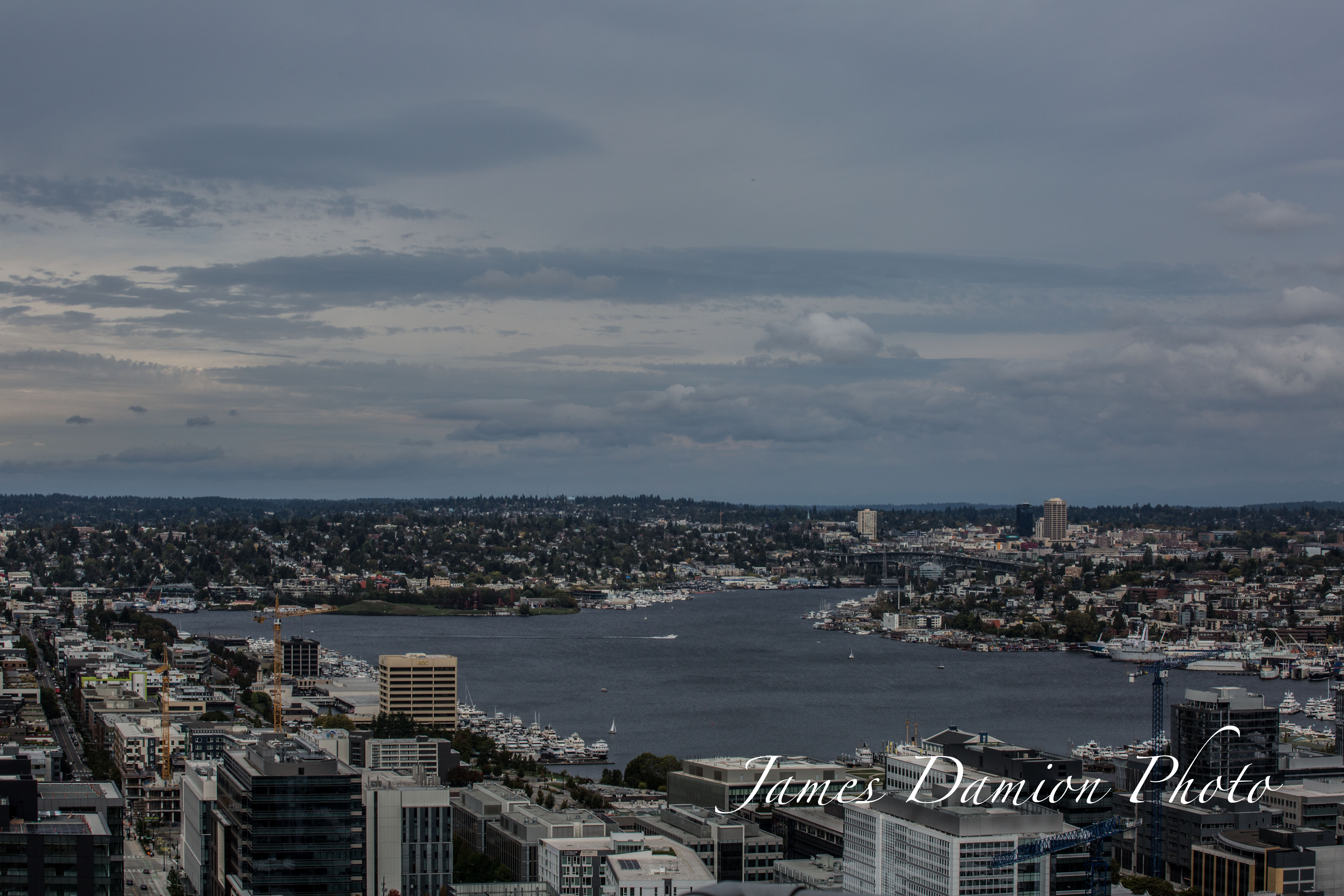
Over the years, I’ve experimented with all the available modes and functions of my Canon. However, the AV mode (Apeture Value) is, by far, the least explored. Aperature Mode is an important feature that allows you to choose your f stop while the camera typically chooses the ISO. Choosing this mode is great for a bokeh effect, which a term for blurring your background. It should be noted that the smaller the aperature number the larger the shutter opening and vice versa. Simply put, f 1.8 is a lot bigger than f 22. Below are several mid day images I took from the balcony. The first and third were taken of the North West and the second of the North East.

f 11 ISO 200
f 11 ISO 200
f 32 ISO 10

Consistency Counts

When I posted a shot of Friday’s session on Facebook over the weekend. It definitely turned a few heads. The attention was both positive and appreciated. It wasn’t until this morning that I was questioned about my decision to edit it. While I liked the original. I thought a ounce of editing would do it some good. Then came the critique about consistency and how, if something ain’t broke. Don’t go trying to fix it. It seemed harsh at the time, but when explained, it made a lot of sense. I had the perfect light and settings from start to finish. There was no explainable reason for the change, other than change. To close, I’m learning a lot and it’s not always easy getting over old habits. Learning that a critique is aimed to both help and improve one’s work. How, listening is often better than talking. Below Left is the original file. On the right, my retouch.